Celebrity Restaurants & Ghost Kitchens: PR Wins and Fails
In the time in which influencer culture is strong and where digital dining is a concept that has taken off, restaurants backed by celebrities and ghost kitchens have become one of the fastest emerging experiments in food marketing. Notably Mr. Beast Burger and Bad Bunny’s food collabs attracting major buzz. However, not all survive after the hype. But what makes some of these ventures successful and what makes them collapse and forgotten in time?
PR wins: when celebrity collabs are actually successful
It is no secret that celebrities bring in massive amounts of traffic to a specific thing. Their fanbase creates buzz and helps benefit both the celebrity and the brand. Platforms like Instagram, Tiktok, and Youtube only amplify the collaborations.
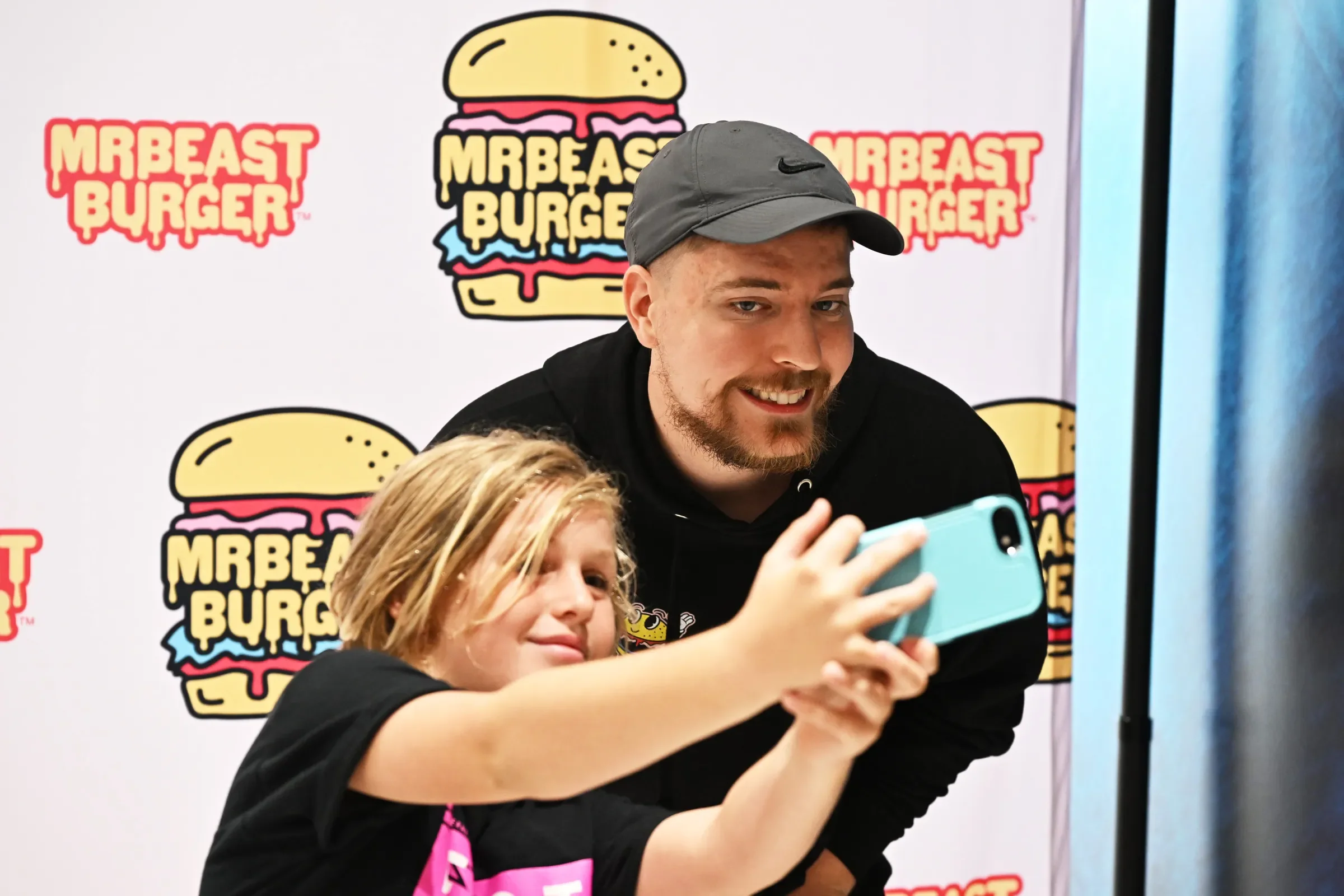
A notable example of a successful collaboration with food was Mr. Beast and his burger. There were thousands of orders in one day. Probably due to the fact that he has one of the most massive fan bases on Youtube, people were eager to try his burger, being fans of him, they were by extension fans of the meal and anticipation. This proved that creators do generate restaurant level foot traffic without actually having a physical restaurant
Limited time events create urgency
Collabs and pop-ups create a demand, its scarcity adds to excitement and anticipation. Audiences and fanbases are driven by wanting to be a part of the percentage of people that actually obtain this and get to try it out. This can lead to reviews or simple bragging that they were some of the few who were able to try it out.
The media loves the novelty
“A celebrity ventures into entrepreneurship: what do they know about xyz” is an eye-catching headline that can create buzz. This generates press coverage and brings in more digital attention.
PR fails: when an influencer fails to influence
Quality control can be hard, especially for ghost kitchens.
What are ghost kitchens?
They rely on third-party restaurants to execute menus, which can lead to inconsistent quality. When fans order they expect a “celebrity-level” experience and when they do not get that, bad reviews, backlash, and feedback follows.
I do remember one particular ghost kitchen created by an influencer that went absolutely nowhere. In 2020, Kelsey Calemine launched a ghost kitchen, which was a delivery-only sandwich and charcuterie box service. It is no longer available, but I vividly remember how insanely good her chicken parm sandwich looked. And as much as I tried researching more about its disappearance and obtaining pictures of it, it looks to be whipped from the web.
But this is a prime example of how influencers fail to influence, their inconsistency with their “hard thought out work,” and how it can lead to nothing. Kelsey is now a foodie influencer on Tiktok and she stills makes food look delicious. But the poor execution can be a testament of bad productivity and passion on their part.
Takeaway for PR professionals
Celebrity collabs and ghost kitchens reveal a powerful truth about food marketing and PR. No matter how big of a celebrity, hype cannot fix issues presented.
But if paired with good quality control, good community engagement, and awesome storytelling, the success can be immense.